
A Check,
But No Change
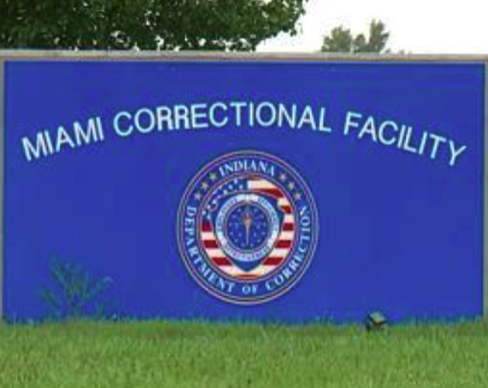
The Indiana Department Of Correction (IDOC) has agreed to pay more than $1.2 million to settle a claim that Indiana's Miami Correctional Facility inmates were held in total or near-total darkness in 2020. They were rarely allowed out of their cells. Windows were covered with metal, and the cells had no working lights. In some cases, live wires hung from the ceiling, shocking people as they tried to move through spaces they could barely see.
This wasn’t simply discomfort—it was deprivation at a level that calls basic human dignity into question. In spite of these findings, IDOC has said the monetary settlements are the only result of the lawsuit and that the settlement does "not include policy or practice changes" at the facility.
There’s something unsettling about a resolution that closes a case but leaves the underlying problem untouched. The settlement, announced by ACLU on April 27th, compensates suffering with dollars, but stops short of requiring any policy or practice changes. It is, in the most literal sense, justice paid—but not justice done.
The case began in 2021 on behalf of Jeremy Blanchard, who spent a month in restrictive housing in 2020, released only for a few minutes every few days to shower. The isolation took a visible toll. He lost all sense of time, struggled to sleep, and began to hallucinate. As the treatment continued, another 30 inmates joined the case as more of them suffered reactions to the blackened conditions they were living in. Some reported panic attacks. Others harmed themselves. Said experts, these are not incidental outcomes—they are the predictable consequences of extreme conditions.
2nd Chance Indiana interfaces with folks at IDOC with some frequency. The strongest impression we’ve ever had was one of compassion and justice, so the case in the Miami facility could have been the work of a seriously corrupted manager at some level there. However, $1.2 million says changes need to be made. Compensation matters. But money is a backward-looking remedy. It acknowledges harm without the guarantee that the same abusive conduct won’t happen again. As noted in an ACLU email to IndyStar, “given the size of the total settlements and the severity of the conditions our clients endured, our hope and expectation is that the Indiana Department of Correction will take meaningful steps to ensure this never happens again.”
With “no policy or practice changes” as part of the settlement, it leaves room for the same failures to resurface once attention fades. It acknowledges what happened, but doesn't guarantee what comes next, and justice that ends with a check, rather than a change, risks becoming something far less than justice at all.
Nancy


